







Free evenings, and nothing new to fill them with? Here are 20 fun skills to learn at home, from ecoprinting on paper to baking your own bread, each with a short note on what you need to start. At the end you’ll find a simple way to pick one and actually begin.
The list is grouped by the kind of thing you will be doing: making something with your hands, working with a camera or a screen, cooking and growing, or training your mind and your conversations. None of the twenty needs a workshop, a membership or expensive equipment to get going, and several need nothing you don’t already own.
Creative skills you do with your hands
The five skills in this group all end with something you can hold, which makes them a good fit if you spend your working day on a screen. They also need very little room: a kitchen table and a drawer to keep your materials in are enough.
1. Ecoprinting on paper
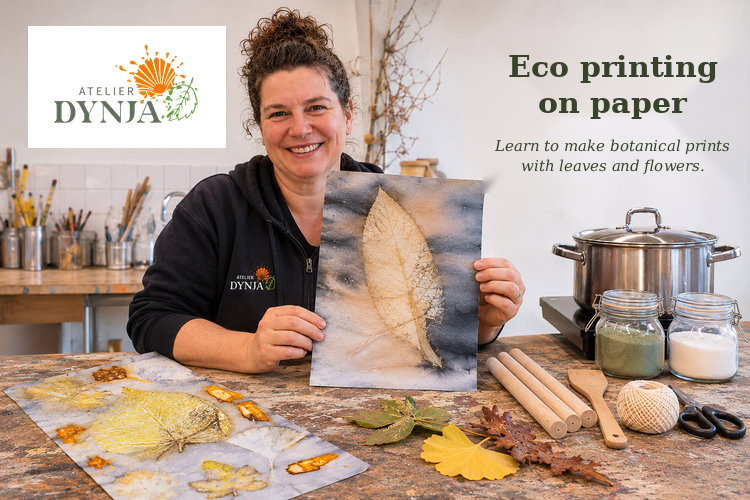
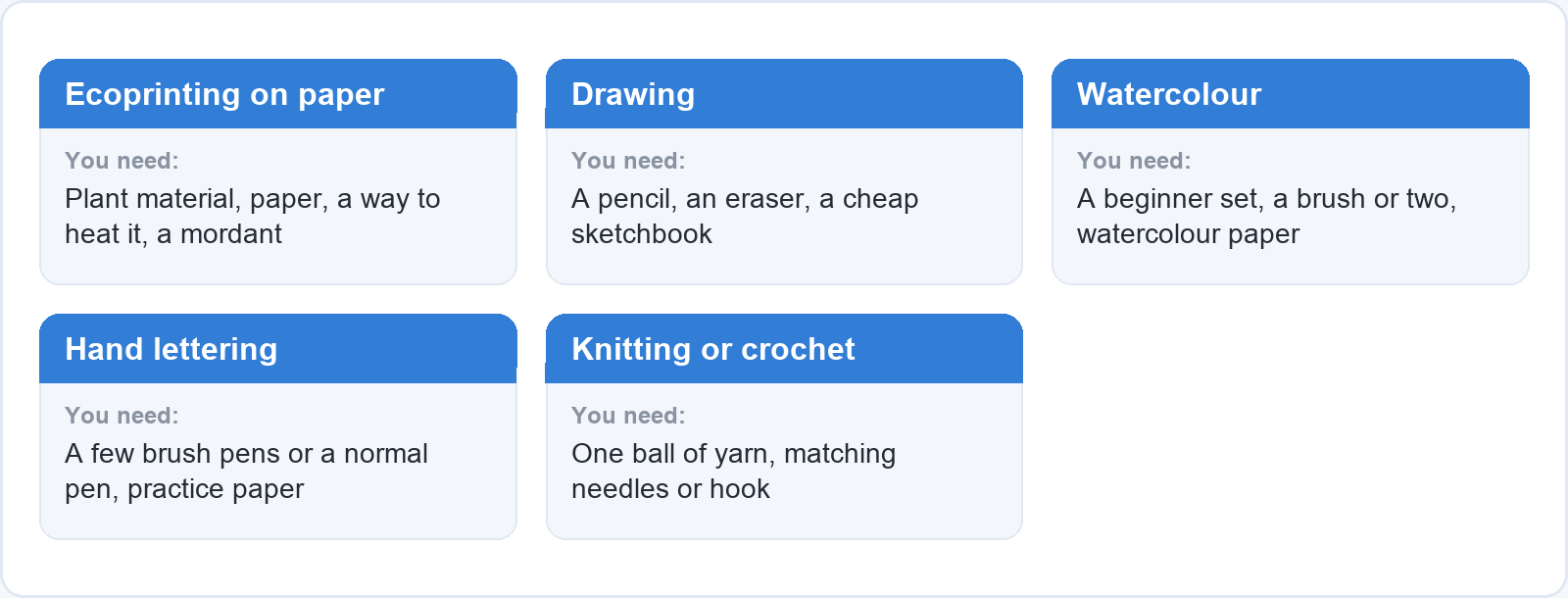
Ecoprinting is a way of printing the shapes and colours of real leaves and flowers onto paper. You arrange plant material on a sheet, roll the paper into a tight bundle and use heat, moisture and pressure to transfer the colour, so every print comes out different. What you need, in broad terms, is plant material, paper and a way to heat the bundle, plus a mordant (a solution that helps the colour bind to the paper).
The online course Ecoprinting on paper by Atelier Dynja walks through it in 25 short lessons: which paper to use as a base, which leaves are suitable and which are poisonous, picking and drying leaves, working with alum and iron sulphate as mordants, building the composition, rolling the package, and the pot, bath and time. The course page says the full materials list is inside the course, so check it there before you buy anything. It also asks you to work safely with hot materials and mordants, which is worth reading before your first session.
2. Drawing and sketching
A pencil, an eraser and a cheap sketchbook are enough to start drawing. Pick objects that stay still, like a mug, a shoe or a houseplant, and draw the same thing a few times in a week. A sketchbook kept in one place shows your progress better than loose sheets, because you can flip back to the first page and compare.
3. Watercolour painting
For watercolour you need a small beginner set of paints, a brush or two and thicker watercolour paper. The paper matters more than the paint: thin printer paper buckles and pills as soon as it gets wet, while watercolour paper is made to take the water. A jar of clean water and a piece of kitchen roll for blotting complete the kit.
4. Hand lettering
Hand lettering is drawing letters rather than writing them, and you can start with a few brush pens or a normal pen and some practice paper. Beginners usually copy one alphabet slowly, letter by letter, before trying whole words. A birthday card or a label for a jar in the kitchen gives you a small project to aim for.
5. Knitting or crochet
To start knitting you need one ball of yarn and a matching pair of needles; for crochet, the yarn and a matching hook. The yarn label usually says which needle or hook size goes with it. The first rows usually look a bit messy, with uneven stitches and edges that wander, and that is normal for everyone who learns it. Most people start with a simple square or a scarf, because a straight piece lets you practise one stitch over and over.
Skills for your camera and your screen
These five skills use the phone or computer you already have. They are useful as well as fun: better photos, a tidier video for a family event, or faster typing all carry over into work.
6. Portrait photography with simple lighting
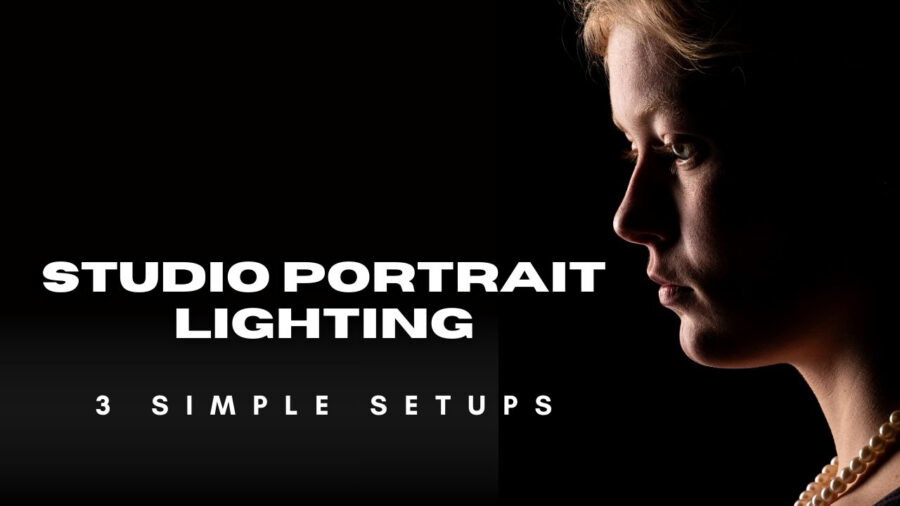
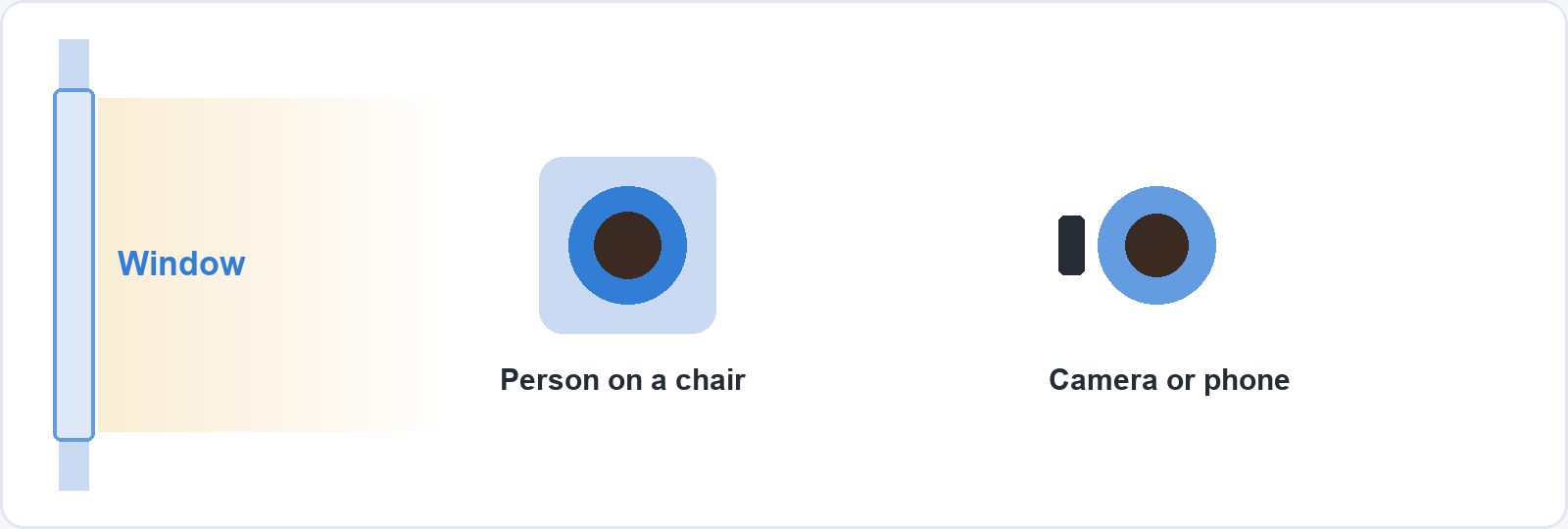
You can learn portrait lighting with a camera or a good phone and a lamp or the light from a window. A useful first exercise is to seat someone next to a window and photograph them several times, turning their chair a little between shots, so you see how the light on the face changes. If you want a structured route, the course Studio Portrait Lighting: 3 Simple Setups for Stunning Results by Roy Ensink teaches three simple setups for lighting a portrait.
7. Phone photography
Phone photography needs only the phone you already have and a bit of attention to light and framing. Wipe the lens, turn off the flash, and take the same picture from three or four positions before you choose one. Looking at where the light comes from before you press the button makes more difference than any setting in the camera app.
8. Basic video editing
For basic video editing you need a free editing app on your phone or computer and a few clips of your own. Cutting a two-minute video from a birthday or a walk teaches the main moves: trimming the start and end of each clip, putting them in order, and adding music or a title. If you want to send the result to someone, our guide on how to reduce video file size covers the export settings.
9. Simple graphic design
Simple graphic design starts with a free design tool and an idea, like a birthday card or a poster for a neighbourhood event. A real project gives you a size, a message and a deadline, which is easier to work with than a blank page. Our article on what Canva is explains one of the free tools many beginners use.
10. Touch typing
Touch typing means typing without looking at the keys, and you learn it with a keyboard and a free practice website. Ten minutes a day works better than one long session a week. Expect to type more slowly than usual for the first weeks, because you are replacing an old habit with a new one, and the speed comes back once the finger positions feel normal.
Skills for the kitchen, the home and the garden
The skills in this group are the most practical on the list: you eat what you bake, wear what you mend and cook with what you grow. Most of the materials are already in your kitchen cupboards.
11. Baking bread
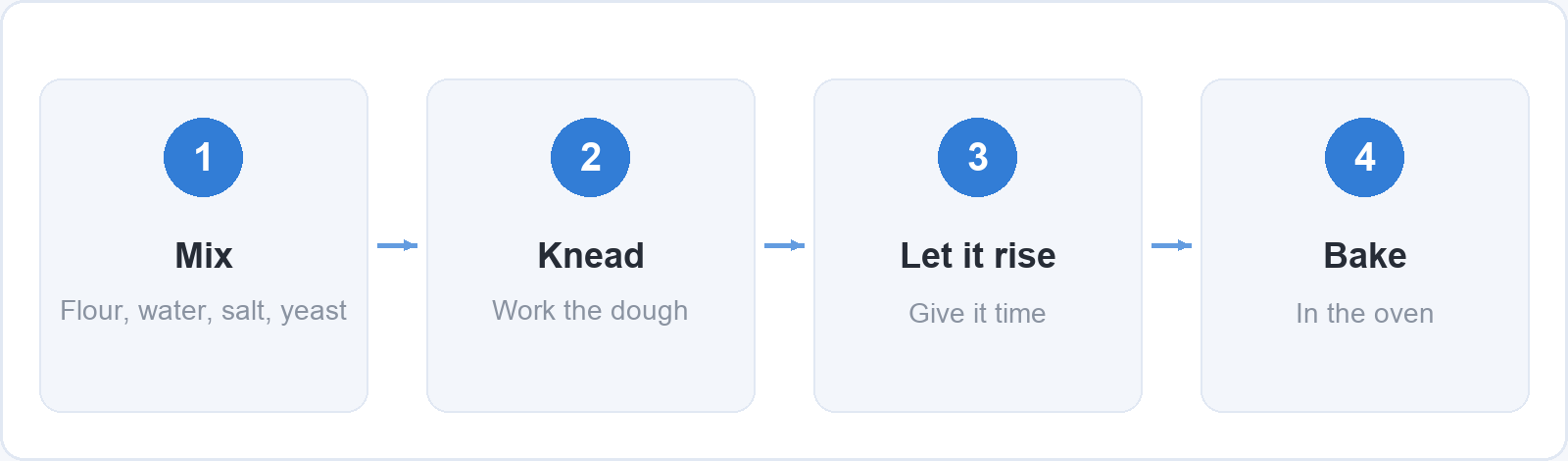
A basic loaf needs flour, water, salt, yeast and an oven, and most simple recipes follow the same four steps: mix, knead, let the dough rise, bake. Start with one simple recipe and bake it several times before you try another, so you can see what changes when you knead longer or let the dough rise for more time. The first loaf may not rise well, and it is still worth eating; write down what you did, so you can change one thing for the next loaf.
12. Cooking from another country
Cooking a dish from another country is a way to learn about a place without leaving your kitchen. Pick one dish and buy the few ingredients it needs, rather than stocking up for a whole cuisine. Cook the same dish two or three times until you no longer need the recipe, then pick the next one.
13. Growing herbs on a windowsill
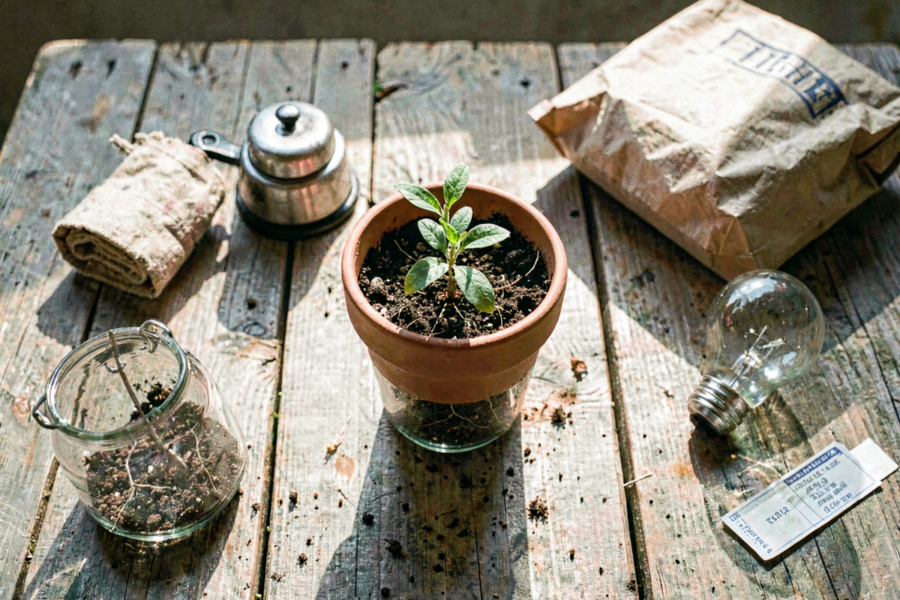
To grow herbs on a windowsill you need a pot, soil, seeds or a small plant, and a sunny spot. A small plant from a shop is the quicker start; seeds take longer but show you the whole process. Water when the top of the soil feels dry, and pick leaves regularly so the plant keeps growing.
14. Basic sewing and mending
Basic sewing starts with a needle, thread and a pair of trousers with a loose button. Sewing a button back on teaches you to thread a needle, tie a knot and make small even stitches, which covers a lot of everyday mending. After that, a fallen hem or a small tear in a seam are good next projects.
15. Living a bit greener at home
Learning to live a bit greener needs no materials, only curiosity. The useful first step is understanding which changes matter most, so your effort goes where it counts. The course Sustainability for Beginners fits here: according to its course description, it covers what sustainability means, how to read your own ecological footprint and which everyday steps make a difference.
Skills for your mind and your conversations
These last five skills need the least equipment of all. Some, like listening well, you can practise in conversations you are already having.
16. Learning a new language
To start a new language you need a free app or a library book and ten minutes a day. Daily practice keeps the words fresh, and saying sentences out loud, even to yourself, helps more than reading them silently. Once you know a few hundred words, a children’s book or a slow podcast in that language gives you real material to practise with.
17. Remembering what you learn
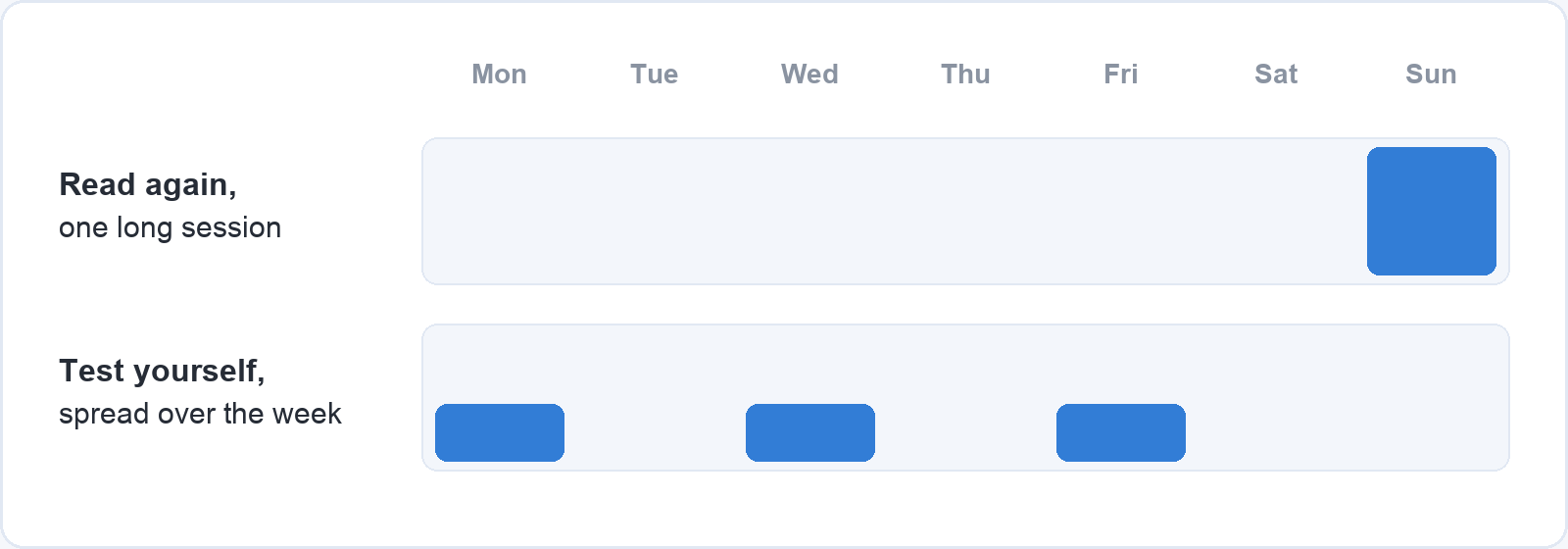
Remembering what you learn is a skill of its own, and it makes every other skill on this list easier. Testing yourself and spreading practice over several days work better than reading the same thing again, and our article on how to make learning easier explains why. The course Learn smarter: remember what you learn teaches these methods step by step, with a weekly plan that fits around work and family.
18. Looking more closely at nature around you
Looking more closely at nature needs your eyes, a notebook and a walk or a garden. Write down what you see on the same route each week: which birds, which trees are in flower, what changes with the season. The course Discover Nature goes further, with lessons on how a single tree uses photosynthesis, how to spot the wildlife that lives in European cities at dawn and dusk, and how to help nature with a flowering balcony or a hedgehog highway.
19. Meditation or calm breathing
Meditation or calm breathing needs a quiet corner and a few minutes. Sit comfortably, breathe slowly and count your breaths; when your attention drifts, start counting again from one. A few minutes at the same time each day is a realistic start.
20. Listening well
Listening well needs no materials, just the people around you. Try it in your next conversation: let the other person finish, sum up what you heard in a sentence, and ask one follow-up question before you give your own view. The course Listening, Summarizing, and Asking Follow-up Questions practises exactly these three steps in meetings, difficult conversations and when someone asks you for advice.
How to choose the right one for you
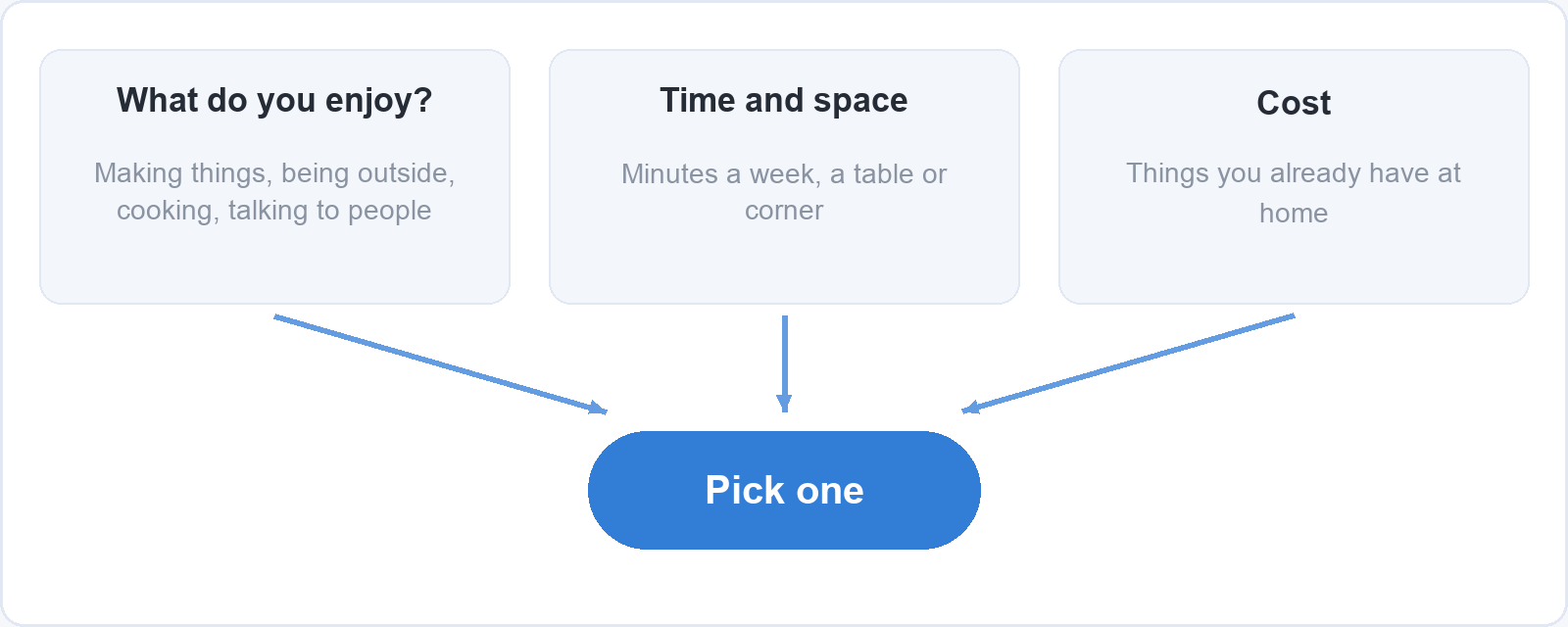
The easiest way to choose is to start with what you already enjoy. If you like making things, look at the hand skills; if you like being outside, look at herbs, nature or phone photography; if you like cooking, start in the kitchen; if you like talking to people, look at languages and listening.
Then look at time and space. Count how many minutes a week you really have, not how many you would like to have, and check whether you have a table or corner you can use. Ecoprinting and watercolour need a surface you can leave things on for a while, while touch typing and a language app fit into ten spare minutes on the sofa.
Look at cost as well. Many skills on the list need only things you already have at home: a pen and paper, your phone, a needle and thread, or nothing at all for listening and calm breathing. Others need a small first purchase, like a beginner paint set or a ball of yarn.
Finally, pick one, not three. Trying everything at once is the quickest way to finish nothing, because each new skill takes attention in its first weeks. Once the first one has become a habit, you can add a second.
How to actually begin
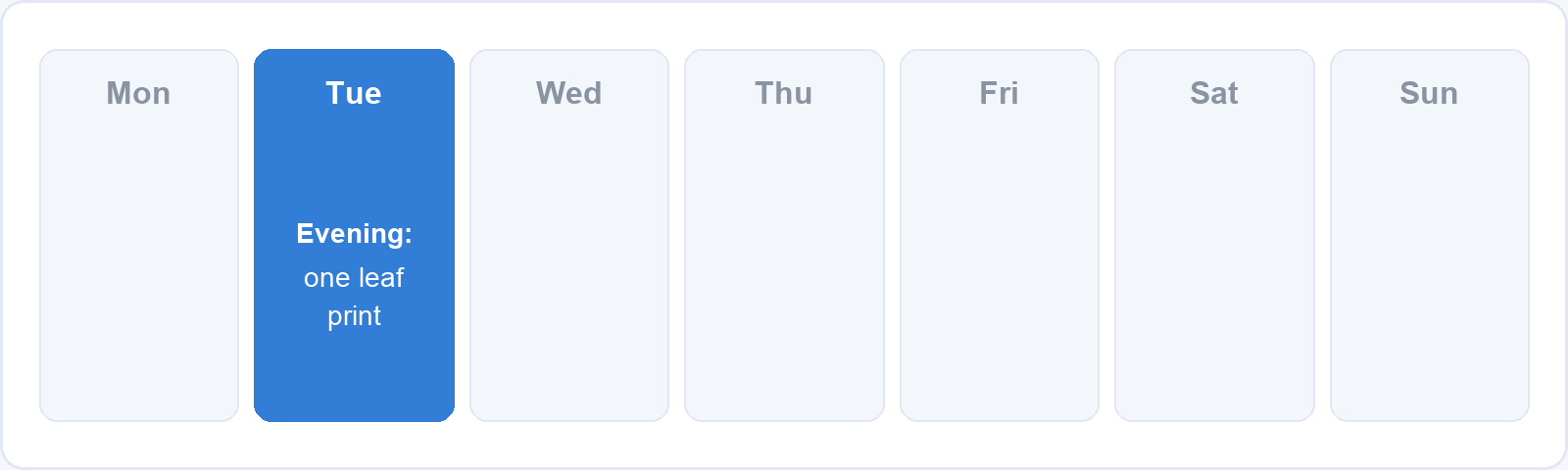
The best first step is a very small one: one sketch, one leaf print, one loaf. A small step is easy to start on a tired evening, and it gives you a result to look at the same day.
Put a fixed moment in your week, for example Tuesday evening, so it doesn’t depend on mood. A set time keeps the skill going in busy weeks, when waiting for a free evening would mean waiting for weeks.
Follow someone who shows you how it’s done. A real teacher saves you a lot of trial and error, because they have already made the mistakes you would make. For ecoprinting, for example, the course by Atelier Dynja shows which leaves give clear prints and which are poisonous, how to mix the mordants, and how to judge your results when you open the bundle.
Be kind about the first results. Messy is part of learning, and it’s still fun. The wobbly first scarf, the flat first loaf and the first leaf print that came out pale all teach you what to change next time.
If ecoprinting caught your eye, the course Ecoprinting on paper takes you from choosing leaves to opening your first bundle, at your own pace and with no experience needed.